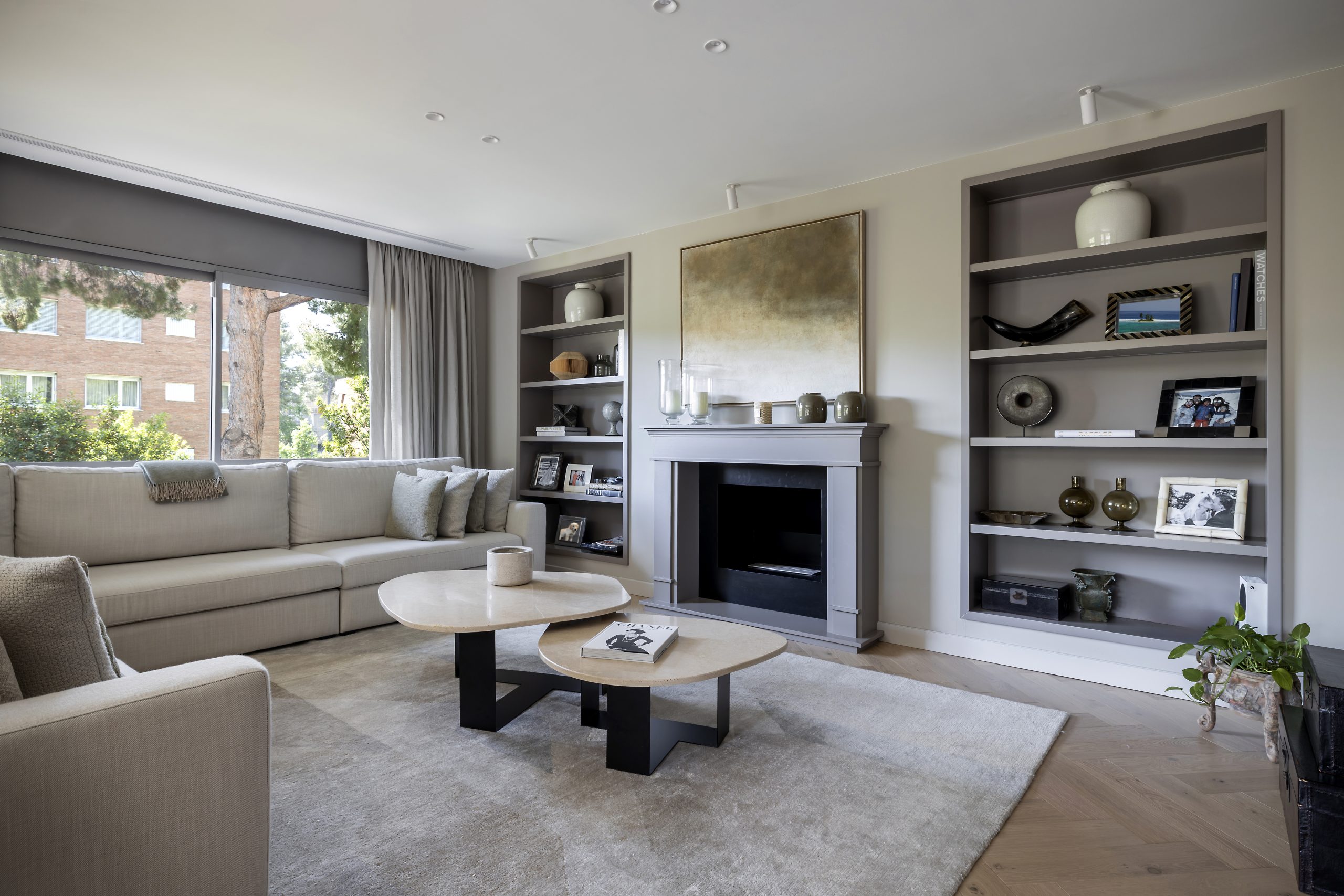
Residential interior design has evolved to become an essential element in creating homes that are not only functional but also reflect the lifestyle and personality of their inhabitants. Through thoughtful, custom design, homes can become spaces that inspire well-being, comfort, and a deep connection to the values of those who live there. In this article, we explore how residential interior design can transform a home into a place that reflects style, quality, and excellence.
The Importance of Interior Design in the Modern Home
In today’s world, the interior design of a home is much more than just a matter of aesthetics; it has become a reflection of its residents’ lifestyle. Modern interior design seeks to create a space that is both beautiful and functional, enhancing the daily quality of life for those who enjoy it.
The Role of Design in Creating Comfortable and Functional Spaces
Interior design should prioritize comfort and functionality without sacrificing style. Well-laid-out spaces, with clearly defined areas for different activities, are essential for a practical and pleasant home. Good interior design adapts to the needs of its occupants, making the space useful and efficient for everyday life while maintaining a harmonious and relaxing aesthetic.
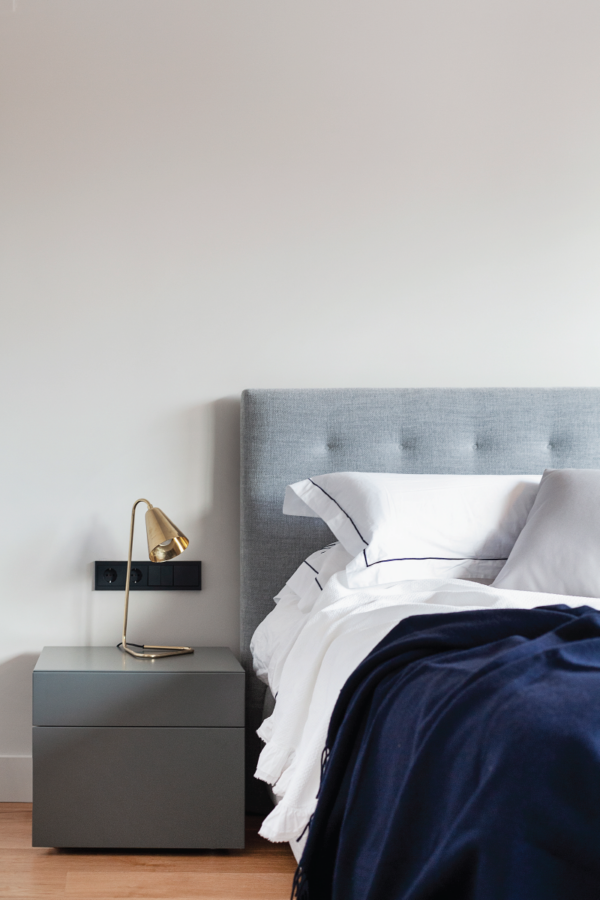
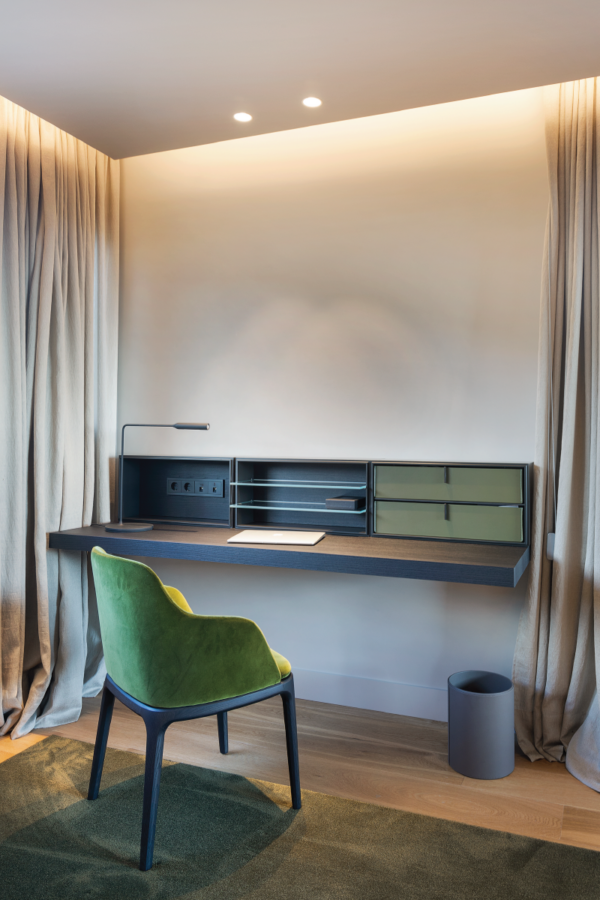
How Interior Design Contributes to Residents' Emotional and Physical Well-Being
The environment in which we live has a direct impact on our emotional and physical well-being. Interior design can improve residents’ moods, from the selection of soothing colors to a layout that reduces visual stress. Creating healthy environments with proper lighting and materials that promote comfort contributes significantly to the well-being of those who live in the home.
The Impact of Well-Thought-Out Interior Design on the Quality of Daily Life
A well-designed home not only looks good but also makes daily life easier for its residents. A functional space—one that allows for smooth movement, efficient storage areas, and a strategic arrangement of furniture—improves the efficiency of daily activities. This not only saves time but also creates an atmosphere where people feel more comfortable, productive, and happy.
What does excellence in residential interior design mean?
An exceptional residential interior design is characterized by the fusion of aesthetics, functionality, and quality. It is not just about beautifying a space, but about making it practical and welcoming, tailored to the needs and lifestyle of its residents.
Key Features of Premium Residential Interior Design
Exceptional interior design is distinguished by its attention to detail, the quality of the materials, and the ability to create a space that reflects the residents’ personalities. Every element, from the furniture to the finishes, must be carefully chosen to ensure that it is not only visually appealing but also functional and durable. Harmony in the selection of colors, textures, and materials plays a crucial role in creating an exceptional home.
The fusion of aesthetics, functionality, and sustainability
High-quality residential interior design focuses not only on aesthetics but also incorporates principles of sustainability. The choice of eco-friendly materials, energy-efficient systems, and environmentally conscious solutions has become a key trend. An interior design that combines these elements is not only elegant but also environmentally responsible.
How Attention to Detail Elevates Interior Design
Details make all the difference in exceptional interior design. From the texture of a sofa to the choice of finish on a table, every small detail must be carefully considered. Good design isn’t just about the big, obvious elements; it’s the small touches that truly elevate the quality of a space, creating a home that feels unique, personalized, and refined.
How Interior Design Reflects Your Personal Lifestyle
Interior design should be an extension of the residents’ lifestyle and values. Through design, the passions, activities, and aspirations of those who live in the home can be reflected, making each space deeply personal.
Identifying Residents' Lifestyles and Values
To create a truly customized home, it is essential to understand the residents’ lifestyle and values. Every family, couple, or individual has their own needs and desires, which must be reflected in the design. This goes beyond superficial tastes and touches on the essence of how people live, what they value, and what they want in their surroundings.
Adapting the design to reflect the residents' personalities
Design should go beyond mere functionality and reflect the unique personalities of those who live in the home. This includes choosing colors, patterns, and furniture that resonate with the residents’ preferences and passions. For example, a home for a nature-loving family might incorporate natural elements such as wood and plants, while a couple with a minimalist style would prefer clean lines and uncluttered spaces.
Design as an extension of one's passions and daily activities
Home is a place where many of our passions and daily routines unfold. A well-thought-out interior design can make a home more than just a refuge—it can be a space that fosters the activities we enjoy most. From a space dedicated to art to a kitchen designed for food lovers, design can make a home a place where our passions and daily activities are reflected.

Functional Spaces: The Perfect Balance Between Aesthetics and Utility
The balance between aesthetics and functionality is one of the cornerstones of residential interior design. A home should be practical and comfortable, but it should also reflect the taste and style of its residents.
Maximizing Space in Small Homes Without Sacrificing Style
Even in smaller spaces, interior design can optimize every square meter, creating multifunctional areas that maximize utility without sacrificing design. Innovative solutions such as modular furniture, floating shelves, and walls with built-in storage allow a small space to feel spacious and functional without losing its aesthetic appeal.
Smart and Stylish Storage Solutions
Interior design must address one of the most common challenges in the home: storage. Implementing solutions such as modular furniture, floating shelves, and custom cabinets helps maintain order without compromising aesthetics. A well-designed home should have enough space for residents to feel organized and free of clutter, which improves both the functionality and the atmosphere of the home.
How to Create a Sense of Flow Between Different Areas of the Home
A well-designed home should allow for a seamless flow between different areas. From the kitchen to the living room, each space should connect naturally and create a harmonious atmosphere that flows without interruption. The appropriate use of colors, furniture, and spatial layout makes the home feel cohesive and comfortable, without any areas that feel disconnected or out of place.
Current Trends in Residential Interior Design
Residential interior design is constantly evolving. With the advent of new technologies, trends, and approaches to sustainability, interior design is adapting to the changing needs of modern homes.
Popular Styles in Residential Design (Minimalism, Maximalism, Organic Design)
Today, homes reflect a variety of styles: from minimalism, which seeks uncluttered and functional spaces, to maximalism, which favors the accumulation of visually stimulating elements. There is also a return to organic design, featuring natural shapes and eco-friendly materials. Each style has its own appeal, and a home’s interior design should be tailored to the lifestyle and tastes of its residents.
Integrating Smart Technology into the Home
Smart technology is a growing trend in residential interior design. The integration of devices such as smart lights, automated thermostats, and security systems not only increases comfort but also improves energy efficiency. These advancements allow residents to have complete control over their environment and optimize their homes’ energy consumption.
Sustainability and Eco-Friendly Design Today
Sustainable interior design is on the rise, with a focus on the use of recycled materials, energy efficiency, and reducing environmental impact. These designs are not only aesthetically appealing but also help reduce a home’s ecological footprint. From the use of solar panels to the installation of in-home recycling systems, sustainability has become a priority in modern interior design.

The Use of High-Quality Materials in Residential Interior Design
Choosing high-quality materials is key to a durable and elegant interior design. The goal is not only aesthetics, but also sustainability and the ability to stand the test of time.
Sustainable materials: wood, stone, and eco-friendly textiles
Recycled wood, natural stone, and eco-friendly textiles are examples of materials that are gaining popularity due to their durability and sustainability. These materials not only enhance the visual appeal of the home but also contribute to a healthier and more environmentally friendly living space. The quality of the selected materials ensures that the home is not only beautiful but will also last for many years.
The Importance of Durability Without Sacrificing Aesthetic Appeal
A well-designed home should feature materials that withstand wear and tear without losing their appeal. Durable, easy-to-maintain finishes are essential to ensuring that the home looks impeccable for many years to come. The durability of the materials ensures that the home remains in excellent condition, even with daily use.
How to Choose Materials That Will Stand the Test of Time and Daily Use
The durability of materials is essential. It is important to choose options that retain their appearance and functionality even after years of use. This not only ensures the home’s longevity but also reduces the need for constant repairs, making the home easier to maintain in the long run.
Creating Customized Environments: Beyond Standard Design
Custom interior design creates a unique home, tailored to each family’s specific needs and desires. By working with an expert designer, it’s possible to create a space that is not only functional but also deeply personal.
How to Create a Unique Design Tailored to the Specific Needs of Each Home
Every home has its own challenges and opportunities. By designing a customized space, these challenges can be overcome to create a functional and aesthetically pleasing environment that perfectly suits the residents’ needs. A customized design can include specific features such as a family entertainment area or a workspace equipped with everything needed for optimal productivity.
The Influence of Colors and Textures on the Home Environment
Colors and textures have a significant impact on a room’s atmosphere. Soft tones can create a relaxing atmosphere, while more vibrant colors can energize the space. Textures also add character and depth to any room. Harmoniously combining different textures and colors is key to a balanced and attractive interior design.
Incorporating elements of culture and personal traditions into the design
Interior design can incorporate cultural, traditional, or personal elements that make a home more meaningful. From art to vintage furniture, these elements can give a space a unique and authentic character. Incorporating family mementos, travel souvenirs, or items that tell a story can make a home feel more special and full of personality.

Success Stories: Homes That Reflect Lifestyle and Excellence
Leading brands and designers have demonstrated how exceptional interior design can transform a home into a reflection of its residents’ style and aspirations. These success stories are inspiring examples of what is possible when interior design is executed with excellence.
Examples of residential projects that stand out for their exceptional design
Renowned brands and designers have worked on residential projects that demonstrate how interior design can improve residents’ quality of life by bringing style and functionality to every corner. These projects show how a perfect balance between aesthetics and comfort can be achieved.
Lessons Learned from Successful Residential Interior Design Projects
Successful projects show that it’s not just about aesthetics, but about understanding the client’s needs, optimizing the use of space, and using high-quality materials to ensure durability. Learning from past projects helps refine the design process and improve the final results.
The Impact of Well-Executed Interior Design on Residents' Daily Lives
Good design transforms everyday life, making daily routines more comfortable and enjoyable. The positive impact is evident not only in the home’s appearance but also in the overall sense of well-being it provides.
We design the home you envision
If you want to transform your home into a unique space that reflects your lifestyle and values, at UJO+ Partners we’ll help you create exceptional interior designs. Contact us today to discover how we can make your dream home a reality, combining functionality, style, and excellence