
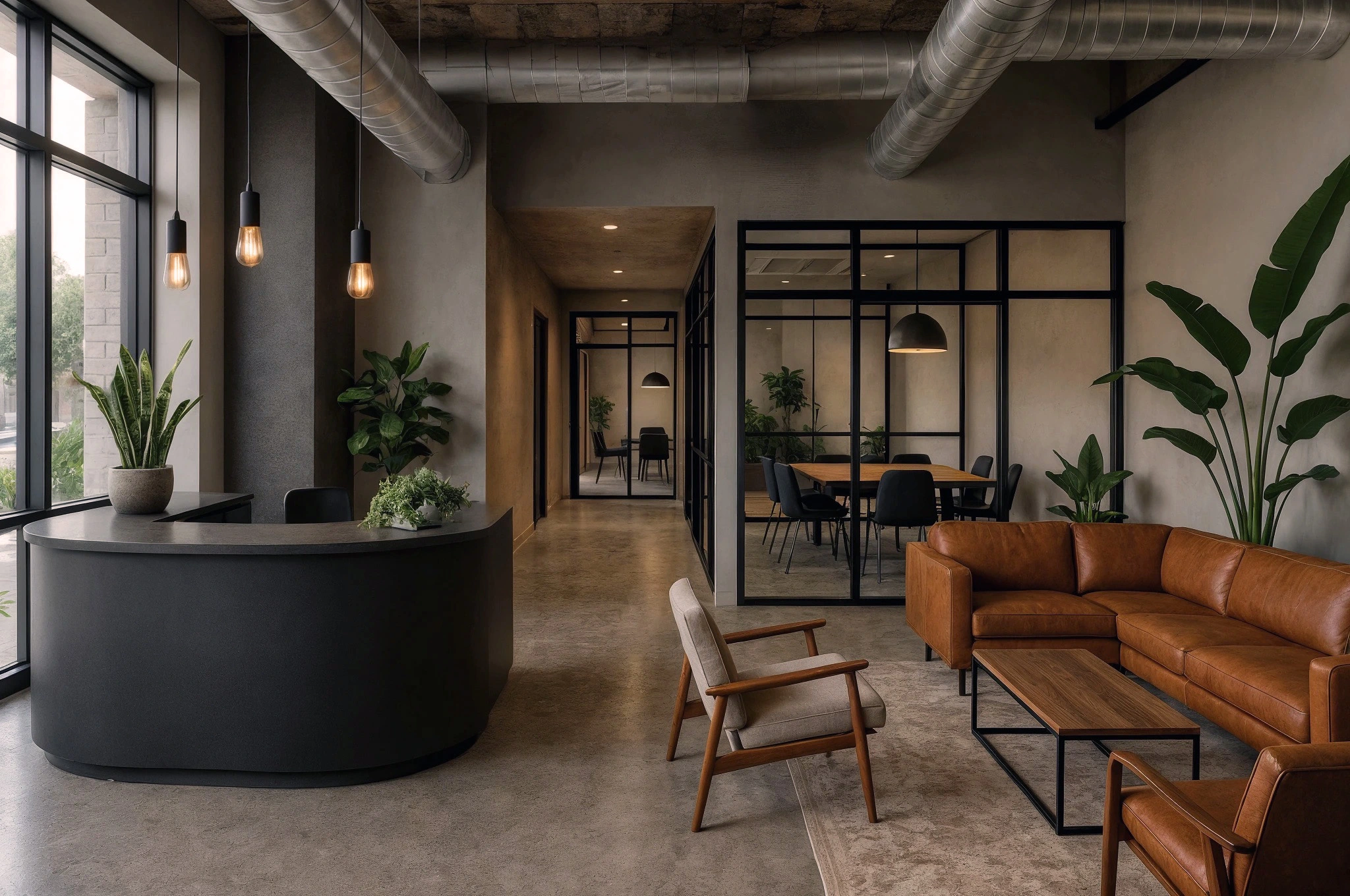
Sustainability in interior design is not a marketing trend or a label tacked on at the end of a project. It is a way of making decisions from the very beginning: about what is built, what it is built with, how long it lasts, and what happens when it is no longer needed.
When sustainability is incorporated into the design process as a genuine criterion—not just a label—it changes the order of the questions, the choice of materials, and our understanding of what constitutes a well-executed project.
1. What Does Sustainability Mean in Interior Design?
Sustainability in interior design is not limited to the use of eco-friendly materials. It is an approach that takes into account the entire life cycle of a space: from the extraction of the materials used in its construction to their potential dismantling, reuse, or recycling at the end of their useful life.
Beyond Materials
A sustainable interior design project involves making decisions about the space’s energy efficiency, indoor air quality, the use of natural light, the durability of finishes, and the reduction of waste during construction. Materials are an important part of that equation, but not the only one.
Sustainability and Quality: A Direct Relationship
One of the most common misconceptions about sustainable interior design is the idea that it means sacrificing quality or aesthetics. In fact, the opposite is true: sustainability criteria—durability, authenticity of materials, absence of toxic components, and ease of maintenance—largely align with the criteria for quality design. A material that lasts, ages well, and does not require frequent replacement is both a sound sustainability choice and a sound design choice.
2. Sustainable Materials in Interior Design: Selection Criteria
The selection of materials is where sustainable interior design finds its most visible expression. But a material’s sustainability does not depend on a single factor: it depends on its origin, its manufacturing process, its performance in use, and its ability to be reused or recycled.
Certified wood and reclaimed wood
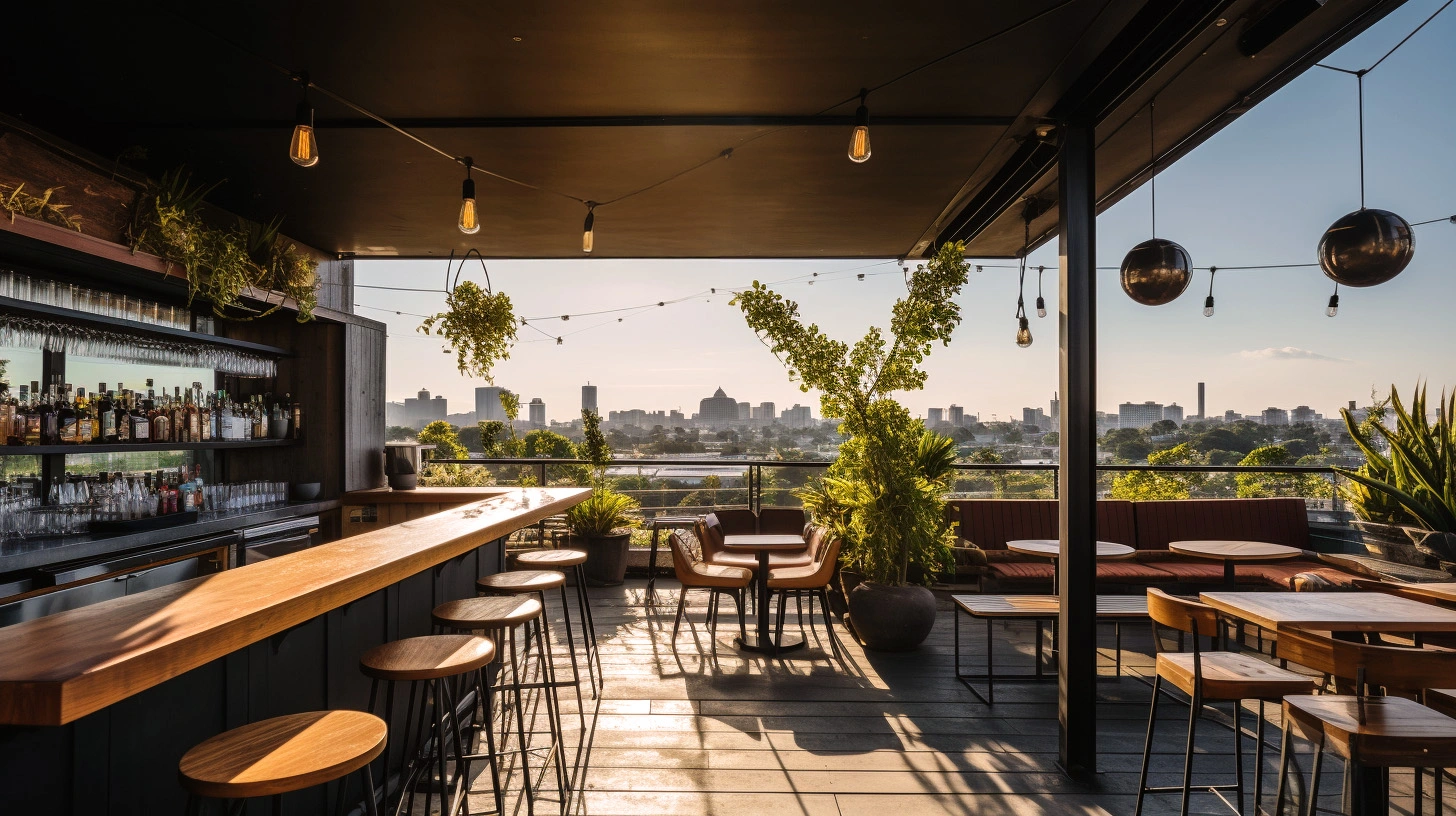
Wood is one of the most widely used materials in interior design and one of the most variable in terms of sustainability. FSC- or PEFC-certified wood guarantees that it comes from responsibly managed forests, where the harvest rate does not exceed the forest’s regeneration capacity. Reclaimed wood—sourced from old structures, demolished beams, or flooring from buildings undergoing renovation—goes a step further: it requires no new logging and comes with a patina and character that new wood cannot replicate.
Natural stone: local and durable
Natural stone is inherently sustainable in terms of its composition: it contains no synthetic compounds and requires no chemical processes for its production. Its main sustainability factor is transportation: stone quarried hundreds of kilometers away has a significantly larger carbon footprint than locally sourced stone. In a sustainable interior design project, the stone’s origin is just as important a selection criterion as its appearance.
Finishes and paints free of volatile organic compounds
Volatile organic compounds (VOCs) found in many conventional paints, varnishes, and adhesives affect indoor air quality for months or years after application. Sustainable interior design prioritizes finishes certified as low-emission or VOC-free, which simultaneously improves occupants’ health and reduces the project’s environmental impact.
Recycled and closed-loop materials
The use of materials made from waste—recycled glass, steel with a high recycled content, and surfaces composed of recovered materials—is one of the fastest-growing areas in the sustainable design sector. In many cases, these materials have achieved an aesthetic and technical quality comparable to their conventional counterparts, with a significantly smaller production footprint.
Natural and Certified Textiles
For upholstery, curtains, and other textile items, sustainability is assessed based on both the fiber composition—linen, organic cotton, wool, hemp—and the dyeing and finishing processes. GOTS and OEKO-TEX certifications are useful indicators for identifying textiles that meet independently verified environmental and health standards.
3. How the Design Process Changes
Incorporating sustainability criteria into an interior design project is not just a matter of substituting materials. It changes the design process in ways that affect the project’s structure, timelines, and how we work with suppliers and contractors.
Sustainability is part of the brief—not just an afterthought
In a sustainable interior design project, environmental criteria are defined in the initial brief, along with the program of requirements, the budget, and the timeline. Incorporating them late—when the design is already well underway and materials have been preselected—forces a reevaluation of decisions that have already been made and creates inefficiencies that drive up costs without improving the outcome.
Designed for Durability
A sustainable project is designed to last. That means avoiding elements that only work at the time of completion and don’t age well, prioritizing solutions that improve with use, and selecting materials that are easy to maintain and do not require harsh cleaning products. Designing for durability is also an economic consideration: a space that doesn’t need to be renovated for ten years is more efficient than one that requires frequent repairs.
Flexibility and ease of disassembly
Sustainable interior design considers what happens to a space when its use or ownership changes. Demountable construction systems, furniture that can be moved or reconfigured, and finishes that can be replaced without demolition are solutions that extend the useful life of the elements and reduce the waste generated during future renovations.
Suppliers and Supply Chain
Working with sustainability in mind means understanding the supply chain for the specified materials. It’s not enough for a material to look good in a catalog; you need to know its origin, its certifications, its manufacturing conditions, and its local availability. That requires a network of suppliers built over time and with care—not one that’s cobbled together on a project-by-project basis.
4. Sustainability and Regulations: An Evolving Framework
Regulations on sustainability in building and interior design are evolving rapidly in Europe. Understanding the current regulatory framework and anticipating its evolution is part of the work of a design firm that incorporates sustainability as a structural criterion.
The European Construction Products Regulation
European regulations on construction products establish increasingly stringent requirements regarding environmental product declarations (EPDs) and the content of hazardous substances. These requirements directly affect the selection of materials in interior design projects, and compliance with them is, in many cases, a prerequisite for obtaining sustainable building certifications.
Key Certifications
LEED, BREEAM, and WELL certifications are the most widely used benchmarking systems for evaluating the sustainability of buildings and interiors. Each has a different approach: LEED and BREEAM assess the environmental impact of the building as a whole; WELL focuses specifically on the well-being of occupants. Understanding their criteria is useful even in projects that do not seek formal certification, because they provide a rigorous framework for making sustainable design decisions.
At Ujo+Partners
We incorporate sustainability criteria into our projects from the initial brief onward—not as an added requirement, but as part of the quality standard by which we operate. Material selection, space efficiency, and design for durability are factors that are integral to every project, regardless of its scale or type. If you’d like to explore how to apply these criteria to your project, we can help you define them from the very beginning.


